Pool Leak Inspection: Spotting a Real Leak vs. Normal Evaporation
Every pool loses water. Under the San Diego sun, evaporation alone can drop the water level noticeably from one day to the next. But when the drop speeds up or keeps going without a pause, the cause may be a leak in the plumbing rather than the weather. Knowing how to tell the difference saves time, water, and money. This article explains what a pool leak inspection looks for, how evaporation behaves, and what signs point to a hidden leak in the pipes.
How Evaporation Works in a Pool
Evaporation is a constant, natural process. The sun heats the water surface, turning some of it into vapor that drifts away. Wind speeds this up, and low humidity makes it even faster. On a hot, dry, breezy day in San Diego, a pool can lose a quarter-inch or more of water in 24 hours. On a calm, cool, overcast day, the loss is much less. The key point is that evaporation is steady and predictable. It slows down when the weather changes and stops when the air is saturated, such as during fog or rain. A pool that loses water only during hot afternoons and slows at night is likely evaporating normally.
When Water Loss Becomes Suspicious
A leak behaves differently. It does not care about weather. If the water level drops steadily day and night, even when the temperature is mild and the air is still, that is a red flag. The loss rate does not vary with humidity or wind. It stays constant until the water reaches the level of the leak. For example, if the pool loses half an inch every night, even after a cool, windless night, the plumbing is a likely culprit. Another clue: the water level stops dropping once it falls below the leak point. If the loss suddenly stops at a certain level, the leak is in the wall or a fitting at that height.
The Bucket Test: A Simple First Check
Pool owners can confirm a leak with a bucket test. Fill a five-gallon bucket with pool water to about one inch from the rim. Place it on the top step of the pool so the water inside the bucket is level with the pool water. Mark the water level inside the bucket and the pool water level on the tile or skimmer. Run the pump and filter as usual for 24 hours. Then compare the two levels. If the pool water dropped more than the bucket water, the extra loss is from a leak, not evaporation. This test works best when the weather is consistent. A bigger difference over a few days makes the case stronger.

Signs in the Plumbing System
Sometimes the leak is not in the pool shell but in the pipes that carry water to and from the pump, filter, and heater. These are harder to see because they are buried or hidden. But they give clues. Listen for the sound of running water when the pump is off. A hiss or trickle near the equipment pad may mean a crack in a pipe. Check the ground around the pipes. Wet soil, soft spots, or lush grass in a dry area can indicate an underground leak. Also watch the pump itself. If air bubbles appear in the pump basket or return jets, air is being sucked into the suction side of the plumbing. That usually means a leak in that line.
Water Bill Spikes and Constant Filling
An unexpected rise in the water bill is a practical sign. A pool that needs topping up every few days is using more water than evaporation alone would require. Over a month, the cost adds up. For a residential pool in San Diego, normal evaporation may require adding an inch or two per week in summer. If you are adding three or four inches each week, something is wrong. Keep a log of how much water you add and when. A pattern of constant, heavy filling is hard to explain by weather alone. Swim Care Pool Services notes that a professional pool leak inspection can identify the exact source of such a loss and help avoid wasted water and higher bills.
Visual Clues Around the Pool
Cracks in the plaster, gunite, or tile can leak water. Look for cracks near the waterline, around returns, skimmers, and lights. A crack that is below the water surface will leak until the water level drops below it. Check the caulking around fittings. Deteriorated or missing sealant around light niches or return jets is a common leak point. Also examine the tile line. If the water level stays exactly at a crack or a loose tile for days, the leak is likely at that spot. Stains or mineral deposits near a crack can also signal a long-term leak.
Leak Rate and Pool Surface Type
The pool surface matters. A plaster or pebble surface can develop small pits or cracks over time. A vinyl liner can tear or come loose from the track. Fiberglass surfaces can develop stress cracks. Each material leaks differently. The rate of loss also gives hints. A slow leak, losing a quarter-inch per day beyond evaporation, may come from a small crack or a bad gasket. A fast leak, losing an inch or more per day, often means a broken pipe or a large opening. Understanding the leak rate helps a professional narrow down where to look.

Why a Professional Pool Leak Inspection Matters
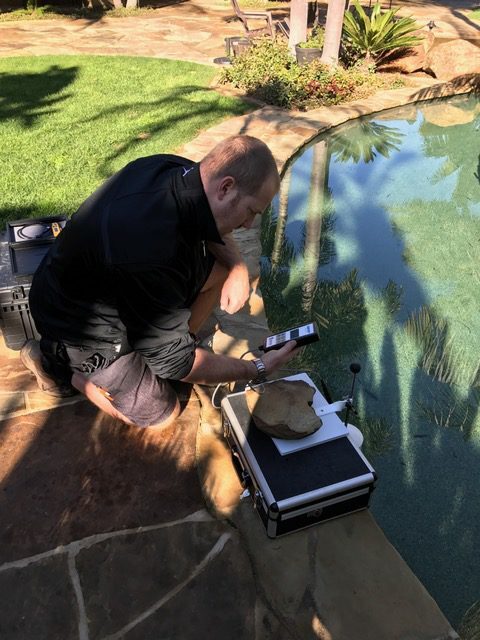
While the bucket test and visual checks are useful, they cannot find every leak. A leak in a buried return line or a crack under the pool deck needs specialized equipment. A professional leak detection service uses pressure testing, dye testing, and listening devices to find the exact location without digging up the whole yard. They can also tell if the leak is in the pool shell or the plumbing. That distinction matters because the repair method is different. A shell leak may need patching or replastering. A plumbing leak may require digging and replacing a pipe section. A thorough pool leak inspection gives a clear picture of what is happening and what it will take to fix it.
Swim Care Pool Services provides specialized leak detection for residential and commercial swimming pools, spas, and related plumbing in San Diego. Their team uses advanced methods to locate leaks quickly and accurately, saving property owners from unnecessary digging and expense.
When to Call for Help
If the bucket test shows a leak, or if the water bill keeps climbing, call a professional. Do not wait until the problem gets worse. A small leak can erode the soil under the pool deck, damage the pump by running dry, or waste hundreds of gallons of water. The longer it goes, the more it costs. A pool leak inspection is a smart investment in the health of the pool and the property. It gives peace of mind and a clear path to a fix.
Understanding the Difference Saves Water and Money
Evaporation is a normal part of pool ownership. A leak is not. By learning the signs, pool owners can act early. Check the water level daily, especially during weather changes. Use the bucket test when in doubt. Watch for wet spots, air in the system, and a constant drop that does not slow down. And when the signs point to a plumbing leak, trust a professional pool leak inspection to find the problem and guide the repair. That is the surest way to keep the pool running smoothly and avoid surprises.